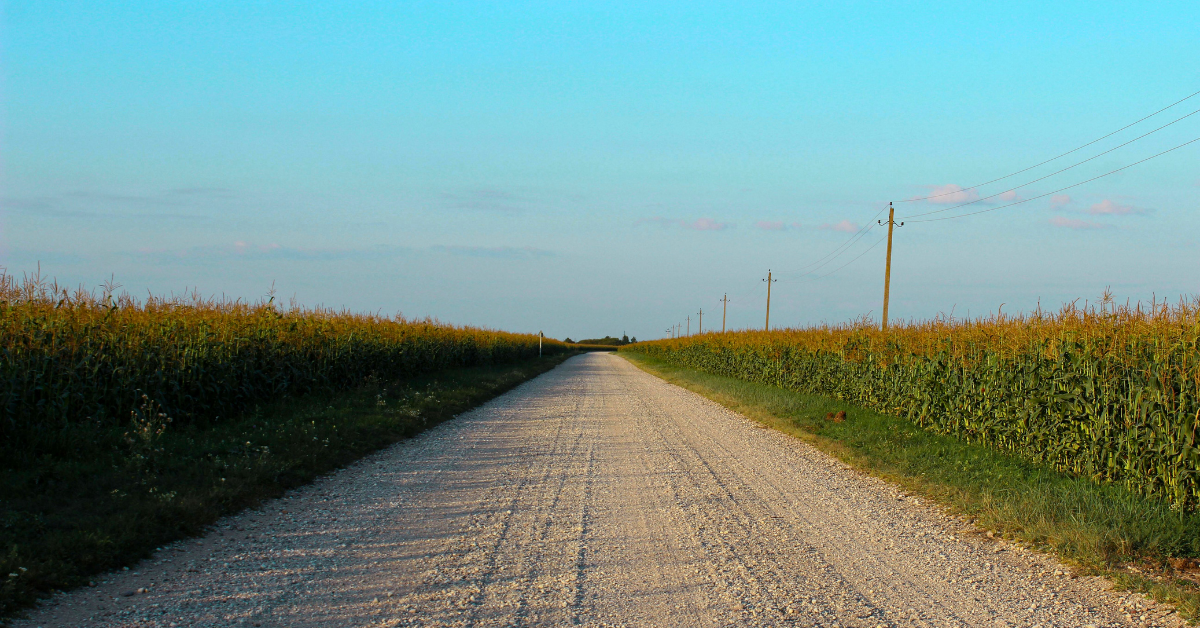
In rural America, distance is a fact of life. It is the buffer between a busy world and a peaceful home. It offers privacy, independence, and a connection to nature. But for many residents, that same cherished distance also brings challenges. It can shift from a protective barrier into an isolating wall, often when they are at their most vulnerable.
Distance is both the reason rural Americans stay and sometimes the biggest challenge they face.
Life Beyond the Horizon
There is unique resilience in rural communities. People are accustomed to solving their own problems. If a fence breaks, they fix it. If a neighbor needs help, people show up. Geography fuels interdependence.
Living miles away from the nearest town fosters a strong sense of identity. Distance doesn’t just separate you from the grocery store. It brings you closer to what matters most: family, land, and a tight-knit community. For decades, this trade-off made sense. You drive a little further for groceries or the doctor, and in exchange, you get a quality of life that city dwellers only dream of.
When the Miles Turn Against You
However, the relationship with distance changes as life evolves. What feels like freedom in your 30s can feel like isolation in your 70s.
Consider the elderly widow, who no longer drives at night. That 30-mile trip to the pharmacy is more than an inconvenience. It creates a barrier that could cause her to skip medication. Consider the young family struggling with one reliable vehicle. If the car breaks down, a child’s well-check gets cancelled. Maybe it's rescheduled, but maybe it's not.
This is where distance turns from an asset into an obstacle. It creates friction that wears down the ability to maintain health and stability. It turns manageable tasks into major events.
- The Grocery Run: Fresh produce becomes a luxury when the store is an hour away, leading to food deserts in the middle of farm country.
- The Emergency: Response times for ambulances are longer, turning urgent medical situations into high-anxiety crises.
- The Routine Check-up: When a doctor's visit requires a half-day off work and $20 in gas, preventive care often takes a backseat to immediate financial needs.
The Healthcare Disconnect
For healthcare leaders, this dynamic creates a specific challenge known as distance decay. The further a patient lives from a care facility, the less likely they are to use it.
We see the results in the data. Rural residents are more likely to be diagnosed with chronic conditions at later stages. They have higher rates of preventable hospitalization and emergency department usage. Why? Because distance forced them to wait until the problem was too big to ignore.
The responsibility lies not with the patient, but with a system that expects people to travel for care, instead of making healthcare accessible where they live. We are asking rural residents to fight a battle against geography that they cannot win.
Keeping the Peace, Removing the Barrier
We should not ask rural Americans to give up the life they love just to stay healthy. Real progress comes from bringing essential services into rural communities, rather than expecting people to relocate to urban areas for their health needs.
This is where innovation meets empathy. Mobile clinics and community-based health initiatives are rewriting the rules of rural healthcare. By deploying mobile clinics to trusted local gathering spots, such as churches, schools, and community centers, we effectively erase the penalty of distance.
Mobile healthcare allows us to:
- Restore Independence: Residents can access care without burdening family members for rides or navigating nearly non-existent transit systems.
- Catch Issues Early: When a screening is available 10 minutes from home, participation rates soar, allowing providers to catch hypertension or diabetes early.
- Honor the Heritage: Bringing care to the community signals respect. It says, "We value you right where you are."
A Future Without Compromise
Distance doesn't have to be the enemy. With the right strategies, we can preserve the beauty and independence of rural living while eliminating the isolation that threatens health outcomes.
For healthcare leaders, investing in mobile solutions is a strategic move to reduce costs and improve health equity. For the rural resident, it’s simply a promise that they won’t be left behind.
If we work together to bridge these gaps, we can ensure that rural families only have to worry about enjoying the view.